Mastering Automated SEO Workflows for 2026
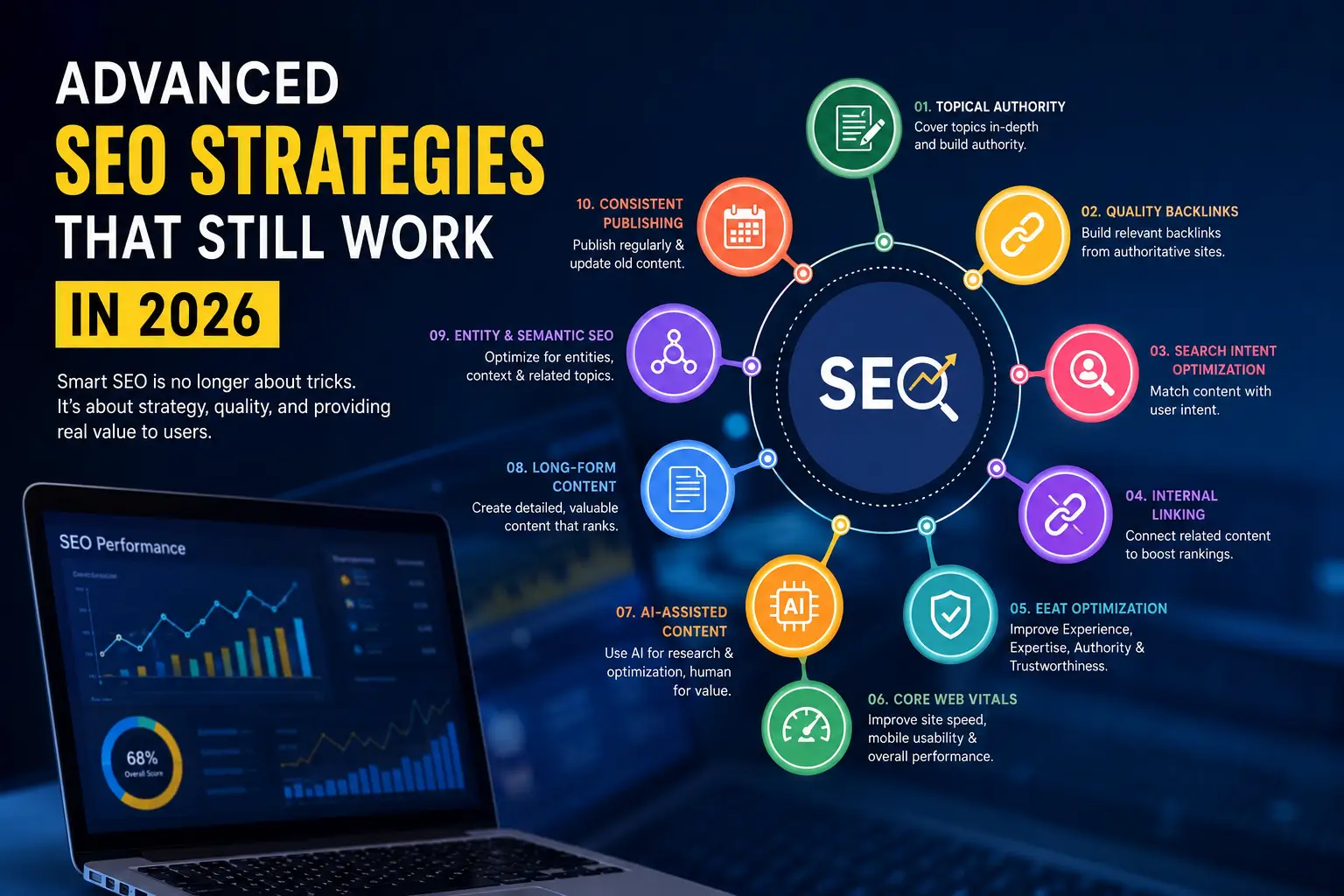
Algorithm updates present new signals and deprecate old ones. Frequently upgrading your material strategy based on efficiency data and industry modifications keeps you competitive. What operated in 2024 might underperform today, making versatility a core proficiency for material teams. Not all ranking elements carry equivalent weight. Premium content and website performance metrics heavily affect rankings, but knowing which particular aspects to enhance makes the distinction between scattered efforts and tactical wins.
Thin content with surface-level insights gets buried, while in-depth guides that respond to related concerns beyond the preliminary query gain presence. Rehashing existing material without adding new perspectives or data offers little worth. With mobile-first indexing, search engines evaluate your website mostly through its mobile experience.
A desktop-optimized website that fails on mobile will have a hard time no matter content quality. affects both rankings and user satisfaction. Sites that pack in under 3 seconds retain visitors and rank greater. Enhance images, minimize JavaScript, and take advantage of internet browser caching to enhance performance. Every second of delay increases bounce rates and signals poor user experience to search algorithms.
For SaaS content, this suggests showing industry understanding through detailed case studies, pointing out trusted sources, and showcasing author qualifications. Online search engine look for signals that your material originates from experienced sources, not generic material mills. includes semantic SEO practices that assist algorithms comprehend your material context. Use structured information markup, create clear topical hierarchies, and write for natural language questions.
Audit your existing content to identify which locations need immediate attention, then develop a roadmap that resolves high-impact improvements. Comprehending how ranking elements evolved helps you allocate resources efficiently. AI-enhanced metrics complement traditional SEO elements by adding much deeper content understanding, however conventional signals still matter. Element classification Standard SEO approach AI-enhanced method Keyword optimization Specific match keywords, density targets Semantic importance, natural language, intent matching Material assessment Word count, keyword placement Subject comprehensiveness, entity recognition, context understanding Link analysis Backlink quantity, anchor text Link quality, topical authority, relationship networks User signals Click-through rates, time on page Engagement depth, fulfillment indicators, job completion Technical aspects Crawlability, indexing, website speed Structured data, schema markup, API accessibility Conventional SEO focused greatly on keyword placement and backlink acquisition.
Growing Search Engine Reach By Using Automation
This method worked when algorithms relied mostly on text matching and link counting. AI metrics analyze content semantically, comprehending subjects beyond specific keywords. Search engines now acknowledge that "auto" and "cars and truck" represent the very same concept, and they assess whether your material covers related subtopics comprehensively. This shift rewards extensive, well-researched material over keyword-stuffed pages.
Traditional metrics like bounce rate still matter, however AI systems now interpret these signals in context. Disregarding standard SEO basics like correct indexing and mobile optimization weakens AI-enhanced content.
Key SEO Secrets for the Competition
The essential distinction lies in how you produce material. Standard SEO encouraged composing for search engines initially, users 2nd. AI-enhanced ranking benefits content created for users, then optimized for discoverability. This philosophical shift modifications whatever from research study to composing to promotion. When planning brand-new content, think about both standard signals (keywords, links, technical structure) and AI elements (semantic depth, intent fulfillment, engagement quality).
Knowing ranking aspects matters little bit without execution. SaaS content strategists need useful workflows that translate insights into better search presence and AI combination. Which ranking elements associate with success?
Traditional Versus AI-Driven SEO StrategiesFocus initially on pages with high traffic potential however present ranking weaknesses. Update dated stats, expand thin areas, improve page speed, and enhance mobile experience.
Analysing Automated Vs Manual Search Models
This integration makes sure new content performs well across all ranking measurements. Constant content updates and analytics keeping an eye on improve SEO impact over time. Track rankings, traffic, and engagement weekly. When algorithm updates take place, evaluate efficiency shifts to comprehend which elements altered in value. Don't blindly follow best practices. Run A/B tests on different optimization methods to see what works for your specific audience and industry.