How to Use Automated Tools to Scaling Traffic

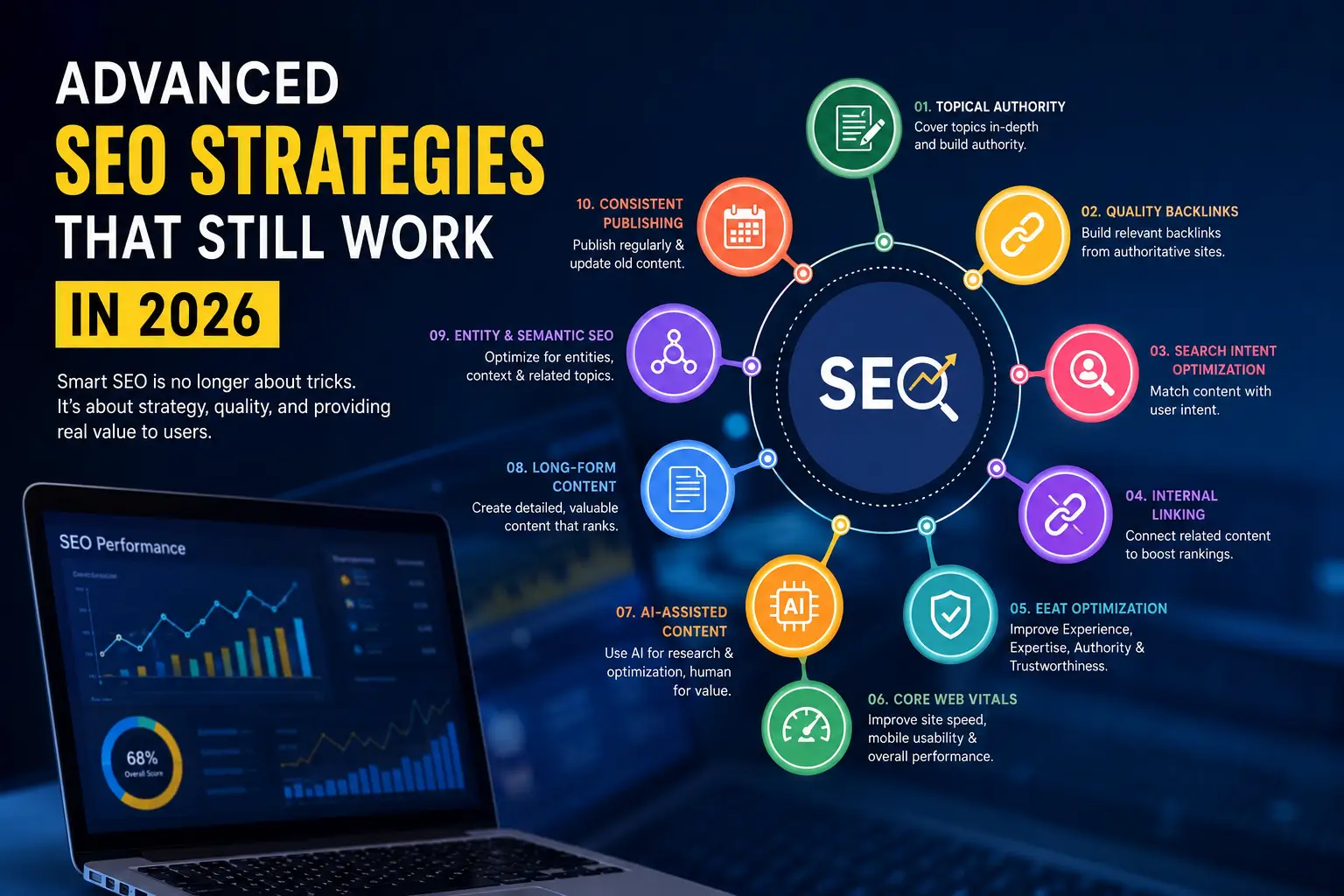
What worked in 2024 might underperform today, making adaptability a core proficiency for content groups. Top quality material and site efficiency metrics greatly affect rankings, however knowing which specific elements to enhance makes the difference between scattered efforts and tactical wins.
Thin material with surface-level insights gets buried, while in-depth guides that answer related concerns beyond the initial question gain exposure. Rehashing existing content without including new viewpoints or data provides little worth. With mobile-first indexing, search engines examine your site primarily through its mobile experience.
A desktop-optimized site that stops working on mobile will have a hard time regardless of content quality. Every second of delay increases bounce rates and signals bad user experience to browse algorithms.
For SaaS content, this indicates demonstrating industry knowledge through detailed case research studies, citing trusted sources, and showcasing author qualifications. Browse engines look for signals that your material comes from experienced sources, not generic content mills. includes semantic SEO practices that help algorithms comprehend your material context. Use structured data markup, develop clear topical hierarchies, and compose for natural language questions.
AI-enhanced metrics complement standard SEO elements by including deeper content understanding, but traditional signals still matter. Element category Conventional SEO technique AI-enhanced approach Keyword optimization Specific match keywords, density targets Semantic significance, natural language, intent matching Content evaluation Word count, keyword positioning Topic comprehensiveness, entity acknowledgment, context understanding Link analysis Backlink quantity, anchor text Link quality, topical authority, relationship networks User signals Click-through rates, time on page Engagement depth, fulfillment indicators, job conclusion Technical elements Crawlability, indexing, website speed Structured information, schema markup, API accessibility Standard SEO focused heavily on keyword positioning and backlink acquisition.
Key Ranking Hacks to Dominate the Competition
This approach worked when algorithms relied mostly on text matching and link counting. AI metrics examine content semantically, comprehending subjects beyond private keywords. Online search engine now recognize that "auto" and "automobile" represent the very same idea, and they examine whether your material covers associated subtopics adequately. This shift rewards comprehensive, well-researched material over keyword-stuffed pages.
Traditional metrics like bounce rate still matter, but AI systems now translate these signals in context. A high bounce rate on a quick-answer page may show success, while the very same metric on a guide recommends failure. in 2026. Disregarding standard SEO basics like proper indexing and mobile optimization weakens AI-enhanced material.
AI-enhanced ranking benefits content produced for users, then optimized for discoverability. When planning new content, think about both traditional signals (keywords, links, technical structure) and AI aspects (semantic depth, intent satisfaction, engagement quality).
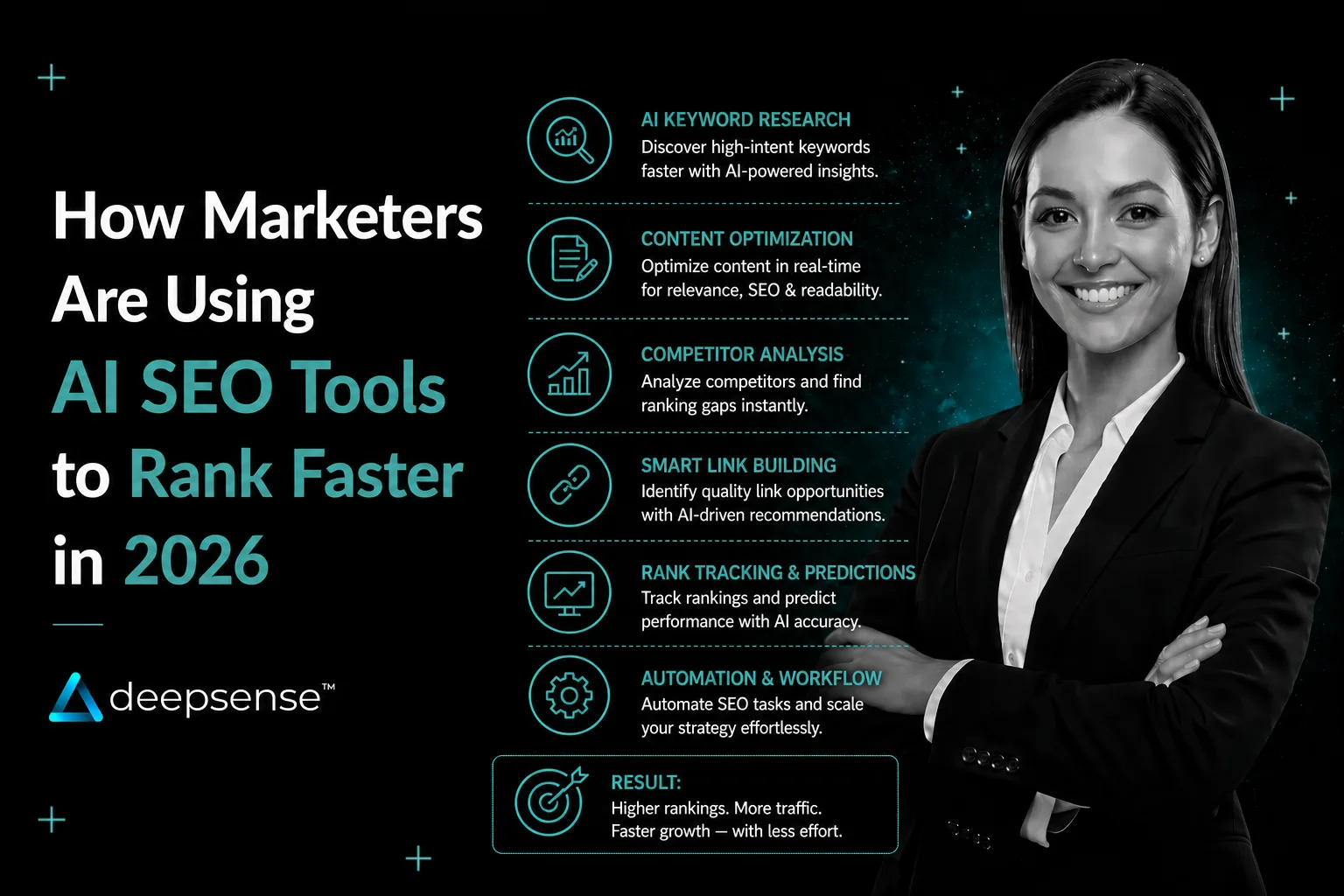
Knowing ranking aspects matters little without execution. SaaS material strategists require useful workflows that equate insights into improved search exposure and AI integration. Evaluation your top-performing and underperforming pages to identify patterns. Which ranking aspects associate with success? Where do gaps exist? Usage analytics to determine performance across several dimensions: organic traffic, engagement metrics, conversion rates, and AI presence.
Why Automated SEO Is Essential to GrowthFocus initially on pages with high traffic capacity however present ranking weaknesses. Update outdated data, broaden thin areas, enhance page speed, and enhance mobile experience. Usage natural language processing tools to examine topic protection and recognize spaces. These tools expose related ideas and concerns your material should resolve to improve semantic relevance and content optimization.
Unlocking AI-Driven SEO Workflows for 2026
Track rankings, traffic, and engagement weekly. When algorithm updates happen, examine efficiency shifts to understand which factors changed in importance. Run A/B tests on different optimization methods to see what works for your particular audience and market.